


 My Account
 Search

Additional information
| Sizes | 100g |
|---|

Original price was: ₦5,000.00.₦4,400.00Current price is: ₦4,400.00.
Traditional Women’s Wellness Botanical | Traditional Chinese Medicine (TCM)
Botanical Name: Angelica sinensis
Other Names: Dang Gui, Dong Quai, Chinese Angelica, Female Ginseng
Botanical Family: Apiaceae
Plant Part: Root
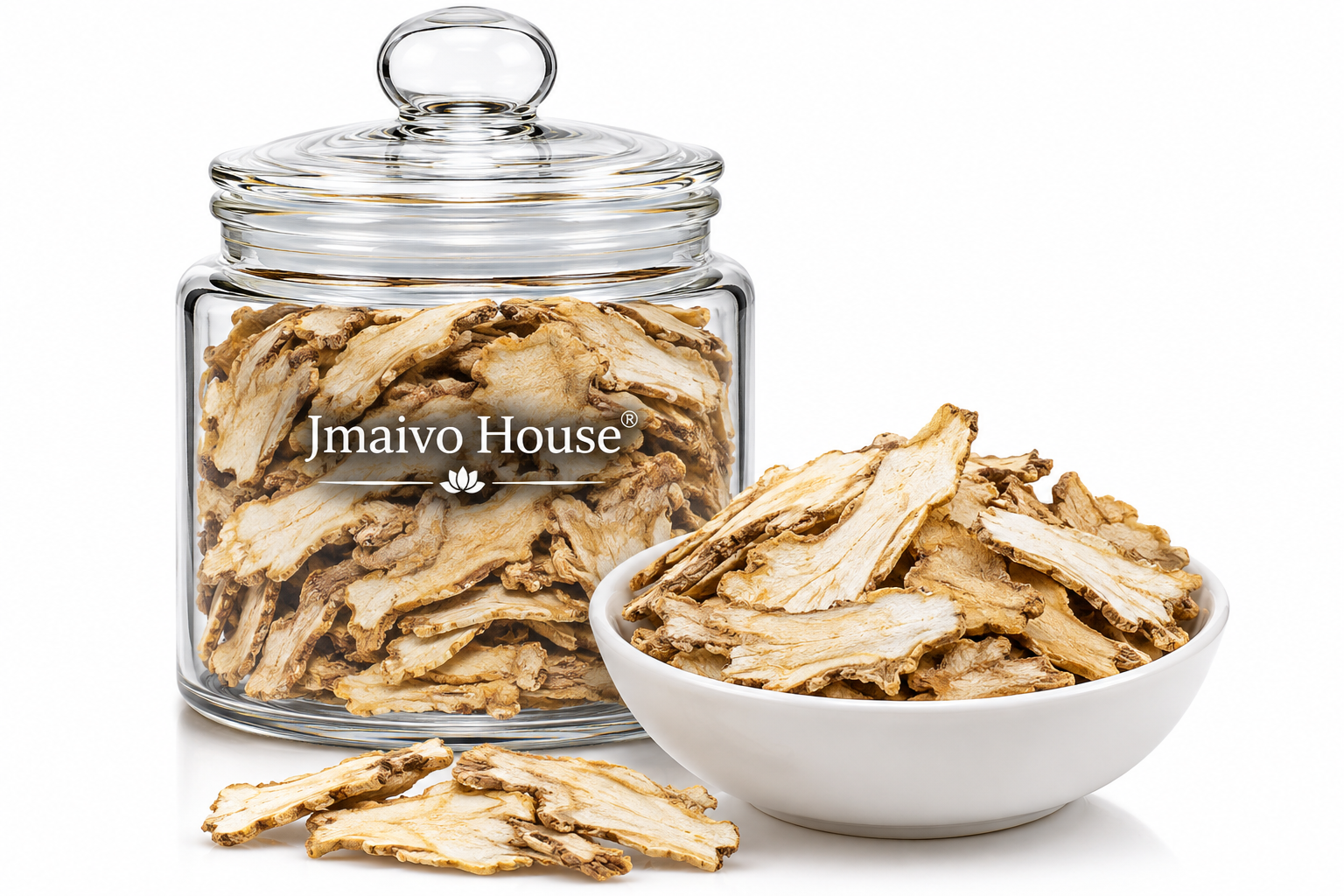
Product Form: Dried Root
Dong Quai Root, traditionally known as Dang Gui (当归), is one of the most recognised botanicals in Traditional Chinese Medicine (TCM). Often referred to as “Female Ginseng,” Dong Quai has been used for centuries in traditional Chinese wellness practices, particularly those associated with women’s health, menstrual comfort, and general vitality.
The root is valued for its distinctive earthy aroma, slightly sweet and bitter flavour, and naturally occurring plant compounds.
Dong Quai is traditionally incorporated into herbal decoctions, botanical blends, and Chinese nourishing soups.
Although it has a long history of traditional use, scientific evidence supporting many of its proposed health benefits remains limited.
Dong Quai is widely recognised in TCM as a botanical associated with women’s reproductive wellness.
Traditional applications include:
These are traditional applications rather than proven medical treatments.
Dong Quai has historically been included in herbal formulations intended for women experiencing menopause.
It is traditionally associated with:
Scientific Note: Clinical research has not established that Dong Quai alone effectively relieves menopausal symptoms. It should not be marketed as a proven hormone-balancing treatment.
In Traditional Chinese Medicine, Dong Quai is classified as a “blood-nourishing” botanical.
It has historically been included in formulas intended to address traditional patterns described as blood deficiency.
This traditional concept is not equivalent to a medical diagnosis of anaemia, and Dong Quai should not replace iron supplementation or prescribed treatment.
Dong Quai is traditionally associated with supporting the body’s circulation and maintaining vitality.
Some naturally occurring compounds have been investigated for their effects on blood vessels and inflammation.
However, these findings do not establish that Dong Quai improves circulation or prevents cardiovascular disease in humans.
Dong Quai has also appeared in traditional herbal preparations intended to support digestive comfort and bowel regularity.
Its historical applications include certain traditional approaches to constipation.
These uses have not been adequately established through modern clinical trials.
Dong Quai contains naturally occurring plant constituents, including:
These constituents have attracted scientific interest for their potential antioxidant and anti-inflammatory activities.
Most supporting findings come from laboratory or animal studies, and should not be interpreted as proven health benefits from drinking Dong Quai tea.
Dong Quai is traditionally prepared by simmering dried root in water.
General traditional method:
Important: The appropriate quantity, duration, and frequency depend on the individual and the complete herbal formula. Do not self-prescribe Dong Quai, particularly when taking medication.
Dong Quai is sometimes incorporated into traditional Chinese soups alongside ingredients such as:
These combinations are part of traditional culinary and herbal practices. Their suitability depends on individual health circumstances.
Dong Quai is frequently used in multi-ingredient TCM formulations.
The selection and proportion of ingredients should be guided by a qualified practitioner because herbal combinations may affect safety and medication interactions.
Dong Quai is not suitable for everyone.
Possible adverse effects include digestive discomfort, bloating, diarrhoea, and increased sensitivity to sunlight.
Stop use and seek medical advice if unusual symptoms occur.
Store Dong Quai Root in a clean, dry, airtight container.
Keep away from moisture, direct sunlight, and excessive heat.
Reseal immediately after use to help preserve its natural aroma and condition.
Dong Quai is a traditional botanical ingredient and is not intended to diagnose, treat, cure, or prevent any disease.
Historical uses do not guarantee medical benefits. Customers should seek professional guidance before consuming herbal preparations, particularly if pregnant, breastfeeding, managing a medical condition, or taking medication.
Natural variations in colour, shape, aroma, and texture may occur between batches.
Packed by weight.



 24/7 Reliable Services
 Next Day Delivery
 256-Bit Secure Payment


Reviews
There are no reviews yet.